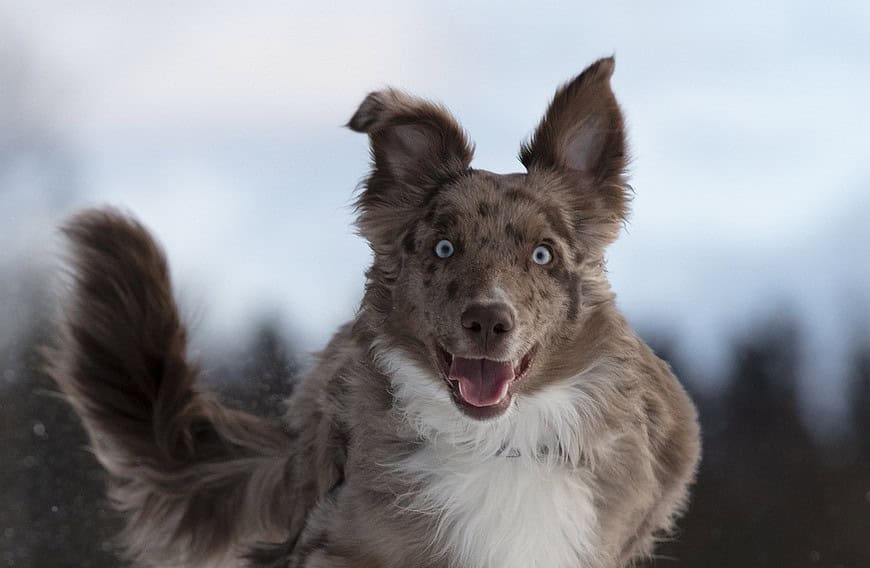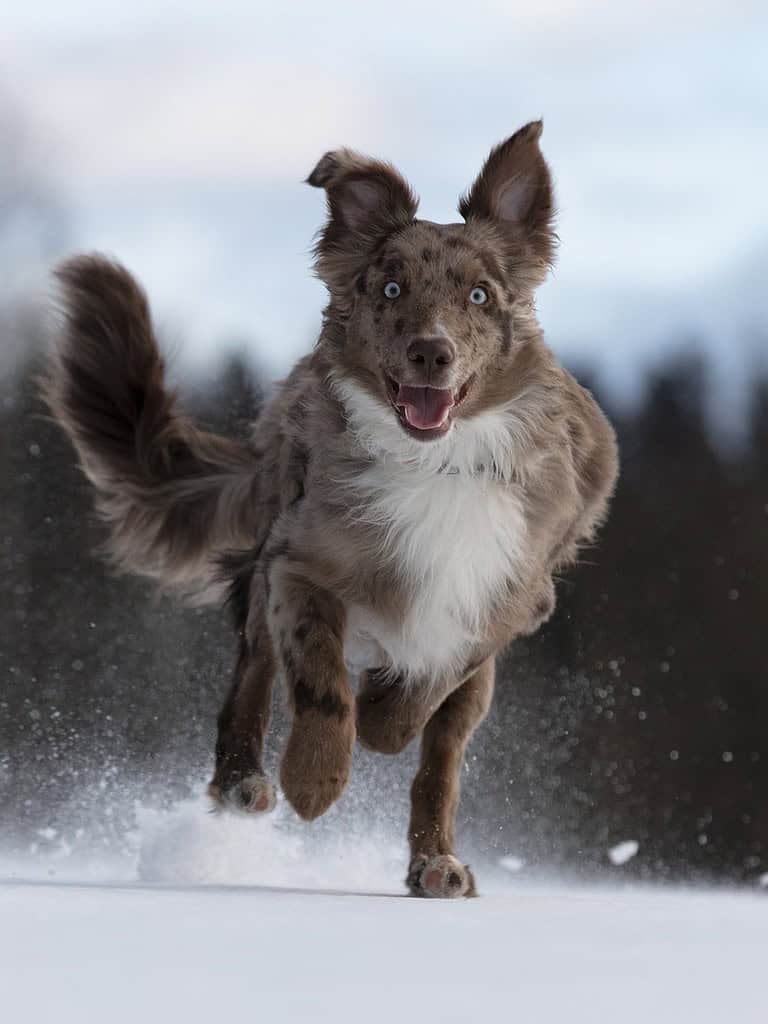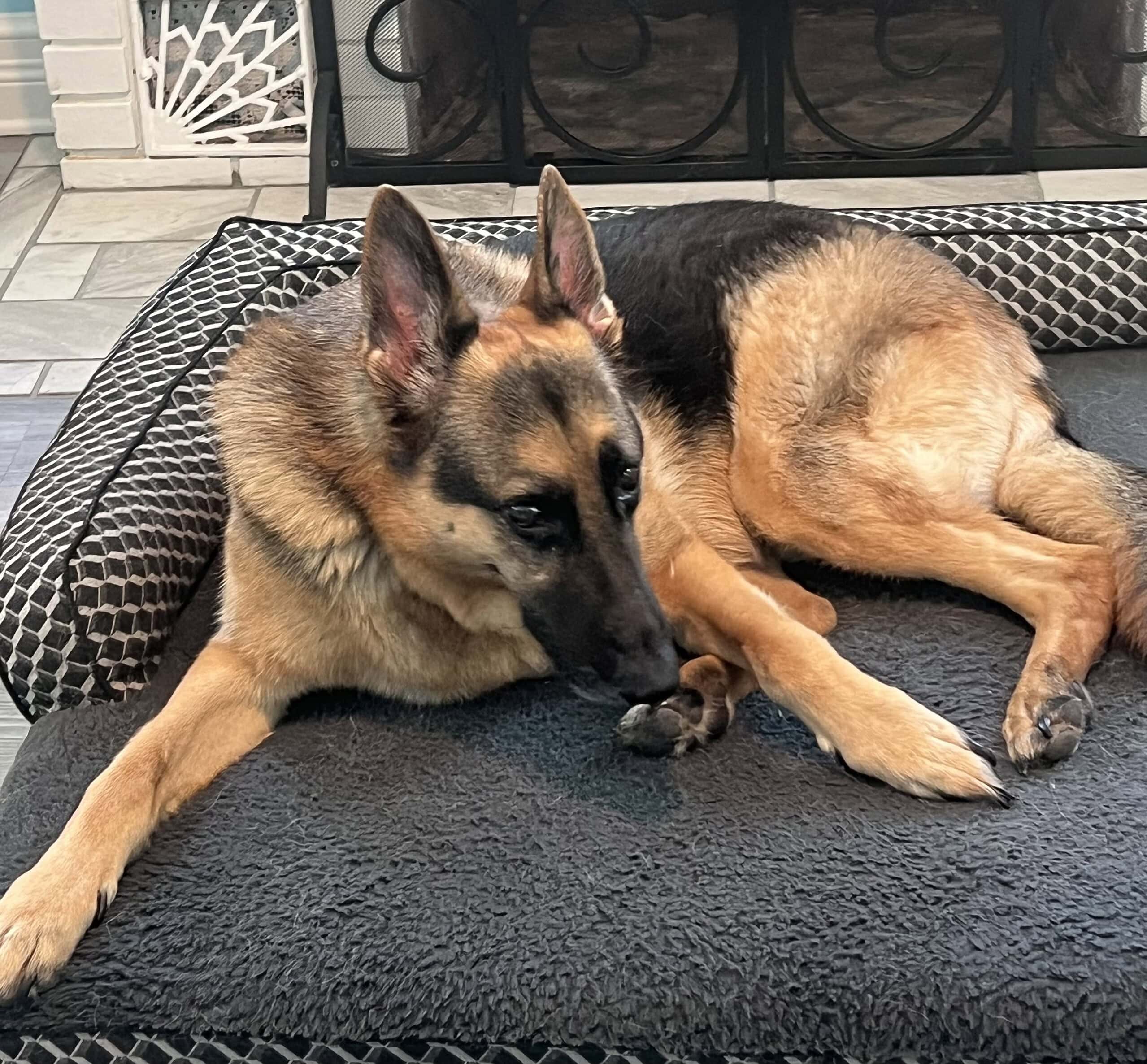
According to my dog, Griffin, paw licking is not a problem.
He is simply performing routine paw maintenance.
Sometimes for twenty minutes.
At 2 a.m.
Directly beside my bed.
Lick. Lick. Lick.
“Griffin.”
Pause.
Lick.
If this sounds familiar, your dog may be trying to tell you something.
What Causes Paw Licking?
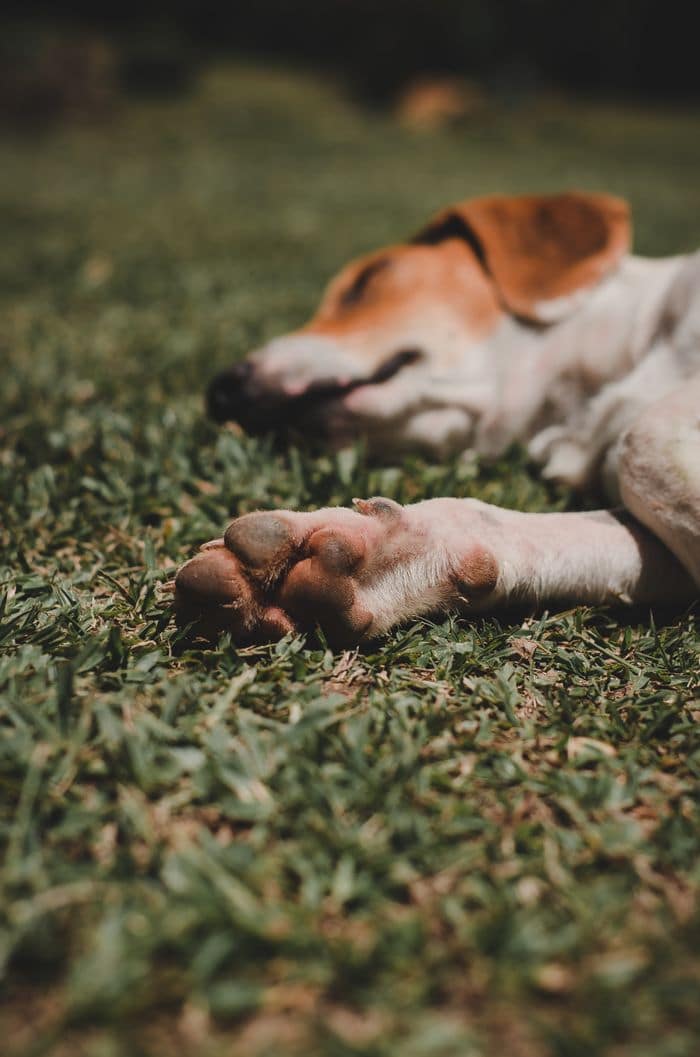
One of the most common reasons dogs lick their paws is allergies.
And your dog can be allergic to a surprising number of things, including food, the environment, or contact allergens.
Environmental allergens such as pollen, grass, dust, and dander can trigger itchy skin. Your dog’s paws spend a lot of time in direct contact with the outside world, which can make them particularly vulnerable.
Food allergies can also cause itchy paws. And yes, dogs can develop an allergy to ingredients they have eaten before.
Your dog may also develop irritation after walking through grass or across recently cleaned surfaces.
Basically, paws spend a lot of time touching things.
If your dog is anything like mine, those paws have been through grass, dirt, questionable puddles, and several places you would rather not discuss.
Paw licking can lead to secondary infections
Normal skin has bacteria and yeast living on it.
When your dog continually licks their paws, the skin can become inflamed, and that normal balance can be disrupted. Bacteria or yeast may overgrow and cause a secondary infection.
Now their paws are even itchier.
So your dog licks more.
The skin becomes more irritated.
And around we go.
It’s a miserable little cycle.
That funny little peanut-shaped organism under the microscope is Malassezia, a yeast commonly found on canine skin. When it overgrows, it can contribute to some seriously itchy paws.
What if only one paw is affected?
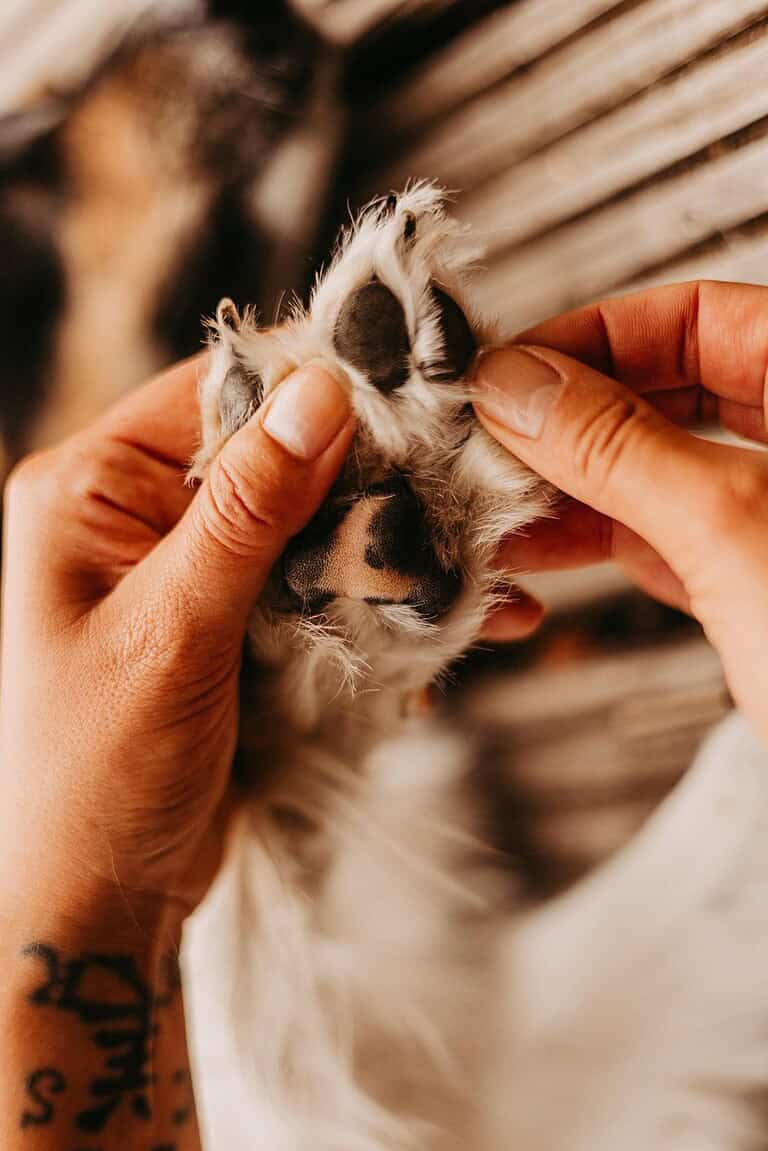
If your dog suddenly becomes obsessed with one paw, take a look.
There could be an injury, foreign material, or another localized problem causing discomfort.
If several paws are involved, especially if your dog also has itchy skin or recurring ear problems, allergies may be to blame.
This is where your veterinarian can help figure out what is actually causing the itch.
What to expect at your vet visit
Your veterinarian will examine your dog’s paws and may collect a sample of cells from the skin.
This often involves using a piece of clear tape or a sticky microscope slide to gently collect cells from the affected area. The sample can then be stained and examined under the microscope to look for bacteria, yeast, and inflammatory cells.
This is called cytology.
It can give us valuable clues about what is happening on your dog’s skin.
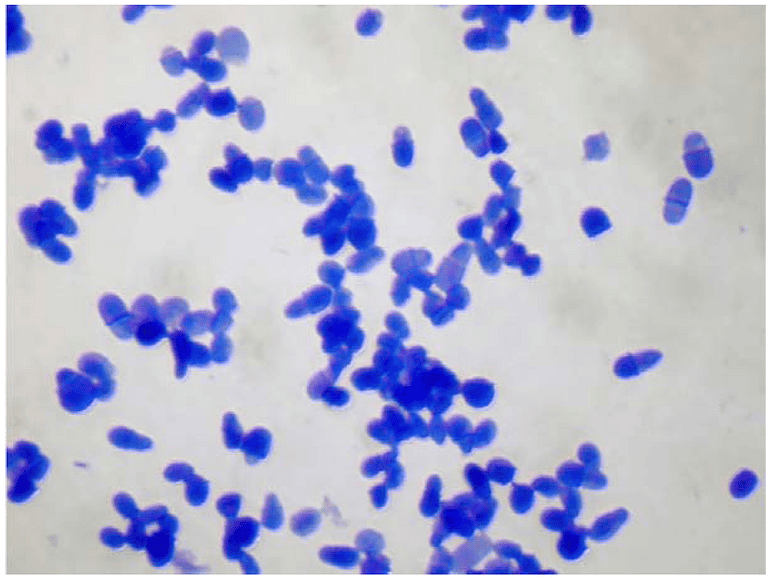
If cytology shows a secondary bacterial or yeast infection, your dog may need treatment for that infection. Depending on what your veterinarian finds, that might include topical therapy or oral medication.
But we also need to address why your dog started licking in the first place.
Are there allergy medications for my dog?

Yes. If allergies are causing the itch, your veterinarian may discuss medications such as Apoquel, Cytopoint, Zenrelia, or Numelvi.
These medications can help control itching associated with allergic skin disease, but the right option depends on your dog’s age, medical history, and individual needs.
We’ll talk much more about these medications in future articles.
Controlling the itch can be an important part of breaking the lick-itch-lick cycle.
Griffin does not particularly enjoy taking pills. He does, however, strongly support the invention of Pill Pockets.
What can I do at home for my dog’s paw licking?
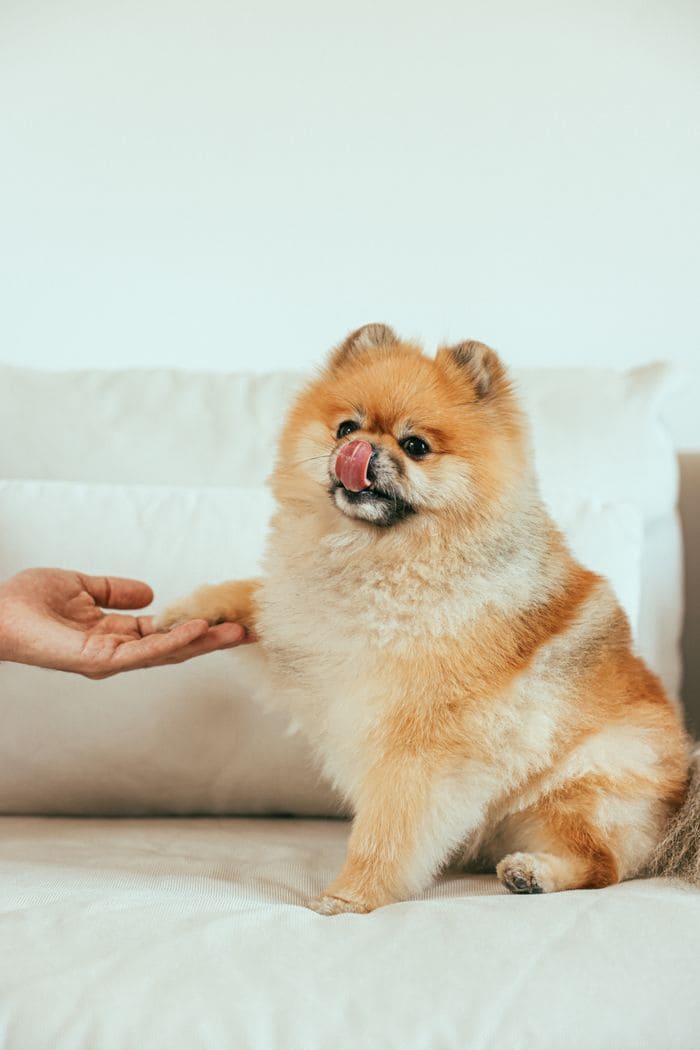
You can gently wipe your dog’s paws after coming inside to help remove pollen and other things picked up outdoors.
I often recommend simple hypoallergenic wipes such as WaterWipes.
I would also skip the medicine cabinet.
Avoid putting Neosporin, hydrocortisone, or other over-the-counter topical products on your dog’s paws unless your veterinarian has recommended them.
And if your dog simply will not leave those paws alone, an E-collar may be necessary.
Griffin knows this device by another name.
Betrayal.
Unfortunately, continued licking can make irritated or infected paws much worse.
When should your veterinarian take a look?
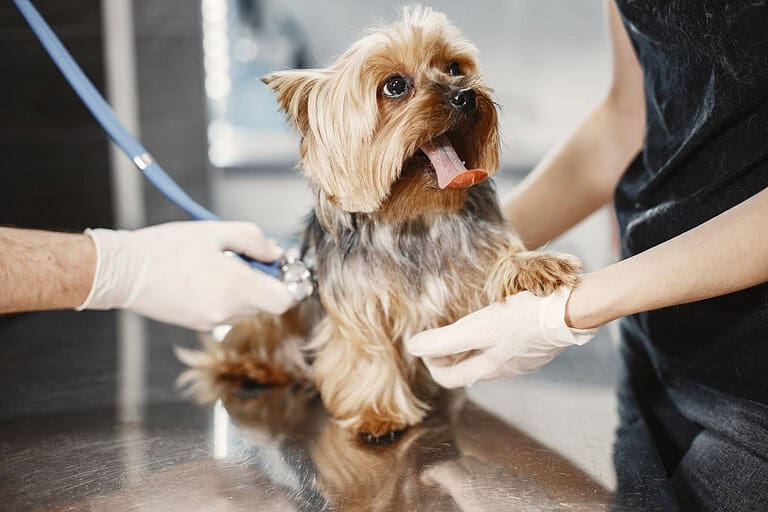
Persistent paw licking deserves attention.
Call your veterinarian if you notice redness, swelling, odor, discharge, sores, hair loss, or pain. Sudden attention to one paw also deserves a closer look.
Because paw licking isn’t really a diagnosis.
It’s a clue.
Griffin, of course, maintains that his paws are under control and no investigation is necessary.
I remain unconvinced.
Your dog can’t tell you, “Hey, this really itches.”
Sometimes your dog just keeps licking, hoping you figure it out.
Paying attention to small changes in your dog’s behavior can help you catch problems before they become bigger ones.
They may not have the words to tell us what’s wrong, but they have plenty of ways to show us.
Noticing those little clues is one of the ways we love them back.
This may seem as obvious as a squirrel in a tree, but it still needs to be said: reading an article on the internet does not replace an examination by your veterinarian.
This article is for general educational purposes and is not a substitute for veterinary care and does not constitute medical advice. Every pet is different. If you have questions about your pet’s health, medications, or treatment, please talk with your veterinarian.
Thanks for reading and for caring enough about your pet to keep learning.🐾